Installation
Preparation
Installation begins with preparation of the site according to the planned layout. This involves marking out the positions of fixtures, routing paths for cables or water lines, and identifying any obstacles or constraints that might require adjustment to the plan.
Access routes are established to minimise disruption to the garden, and protective measures are put in place for existing features that might be affected during installation. Tools and materials are organised to support efficient progress through the work sequence.
Infrastructure Installation
For lighting systems, electrical infrastructure is installed first. This includes routing cables from power sources to fixture locations, installing junction boxes where required, and ensuring all electrical work meets relevant safety standards. Cables are buried at appropriate depths or routed through existing structures as planned.
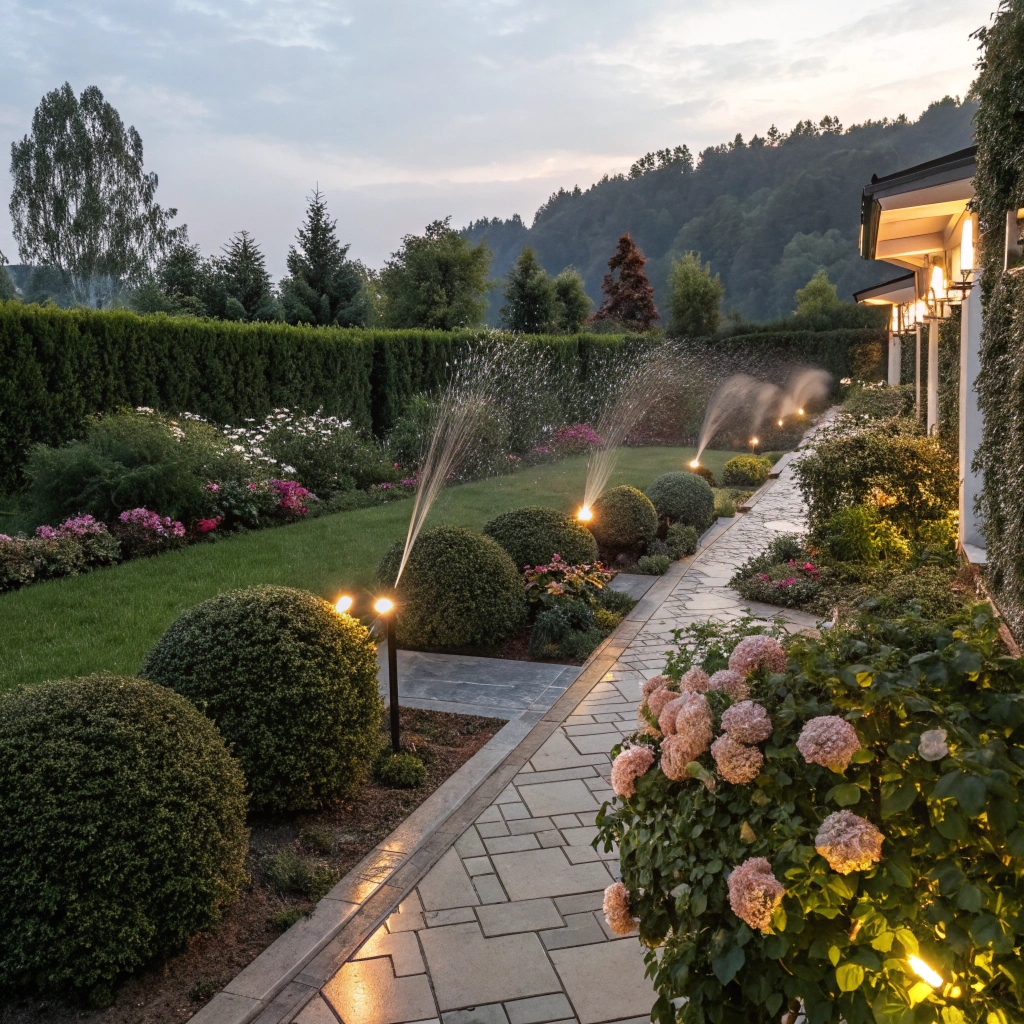
For irrigation systems, water lines are installed by digging trenches along the planned routes. Pipes are laid at appropriate depths, considering factors such as frost protection and protection from garden maintenance activities. Connections are made to the water supply, with pressure regulation and backflow prevention devices installed as required.
Component Installation
Lighting fixtures are installed at their planned positions, connected to the electrical infrastructure, and adjusted for correct orientation and angle. Fixtures are secured in place, ensuring they remain stable and properly positioned over time.
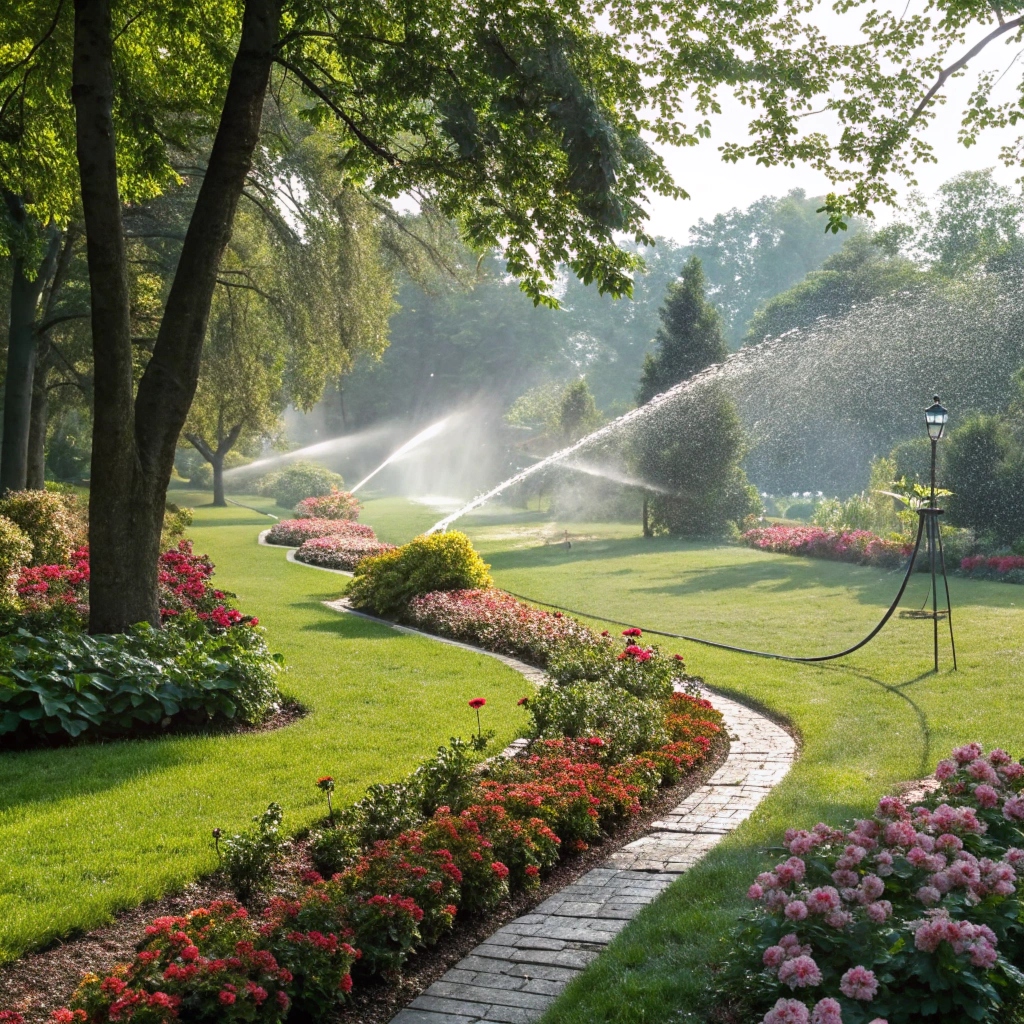
Irrigation components such as emitters, sprinkler heads, and control valves are installed and connected to the water lines. Components are positioned according to the design, with adjustments made to account for actual site conditions. Zones are configured and tested to ensure proper operation.
Control Systems
Control systems are installed and configured to manage lighting schedules and irrigation zones. For lighting, this may involve timers, sensors, or manual switches positioned for convenient access. Settings are adjusted to match the planned operation patterns.
Irrigation controllers are programmed with initial schedules based on the design requirements. Zone settings are configured, and timing is adjusted to match seasonal needs and water pressure characteristics. Control systems are tested to ensure all zones operate as intended.
Testing and Adjustment
Systems are tested to verify proper operation of all components. Lighting is checked during evening hours to assess illumination levels and coverage, with adjustments made to fixture positioning or settings as needed. All electrical connections are verified for safety and reliability.
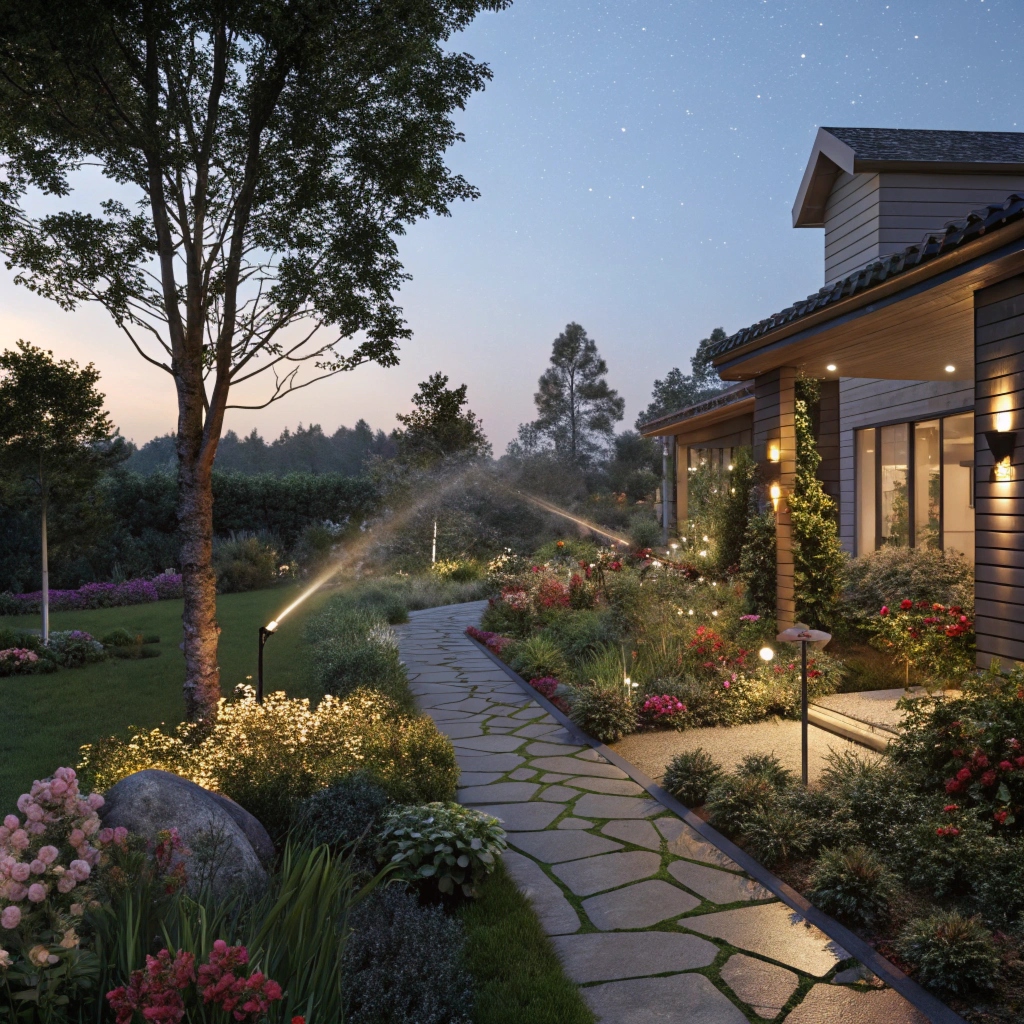
Irrigation systems are tested zone by zone, checking water distribution patterns, flow rates, and coverage. Adjustments are made to sprinkler head positioning, emitter flow rates, or timing schedules to achieve the intended watering patterns. Any leaks or connection issues are identified and resolved.
Site Restoration
Following installation and testing, the site is restored to its finished condition. Trenches are backfilled, surfaces are reinstated, and any temporary access routes are removed. The garden is left in a condition suitable for normal use, with all installed components integrated into the landscape.
Documentation is updated to reflect any adjustments made during installation, ensuring accurate records for future reference. Information on system operation and maintenance is provided, along with any necessary instructions for adjusting settings or schedules.