Evening Light in the Garden

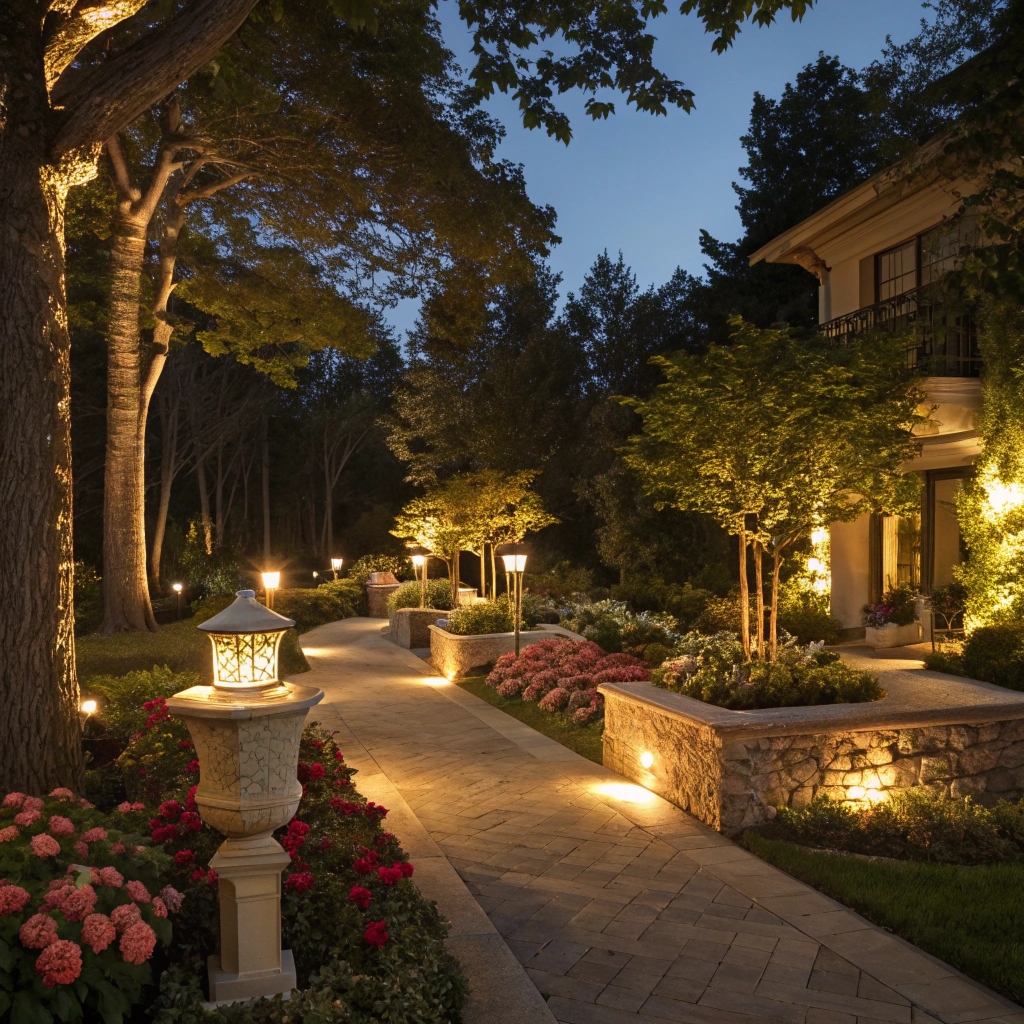
As daylight fades, the garden transforms. Artificial lighting, when thoughtfully placed, extends the hours during which the space can be used and appreciated. The transition from natural to artificial light should feel gradual, almost imperceptible, as if the garden itself is continuing to reveal its character rather than being illuminated by external means.

Evening garden with subtle lighting

Path and Navigation

Path lighting serves a practical function while contributing to the garden's evening atmosphere. Fixtures are positioned to provide sufficient illumination for safe navigation without creating harsh pools of light. The spacing between fixtures considers both the path's width and the desired level of brightness, creating a rhythm that guides movement through the space.

Accent and Feature Lighting

Specific garden features may benefit from accent lighting that draws attention without overwhelming. Trees, architectural elements, or water features can be highlighted using fixtures positioned to create subtle shadows and depth. The angle and intensity of light are adjusted to complement the feature's natural form rather than flattening it with uniform illumination.

Lighting Approaches

Low-Level Path Lighting

Fixtures positioned close to ground level provide guidance along paths and walkways. These are typically spaced to create a continuous but subtle line of light, avoiding dark gaps while maintaining a calm, understated presence during evening hours.

Uplighting

Uplighting from ground level illuminates trees and taller structures from below, creating depth and shadow. This approach reveals the structure of plants and architectural features in ways that differ from daylight, offering a different perspective on familiar elements.

Downlighting

Downlighting from elevated positions creates natural-looking pools of light that mimic moonlight or dappled shade. This method is particularly effective for seating areas or specific zones within the garden, providing focused illumination without spill into surrounding areas.

Integrated Fixtures

Lighting fixtures can be integrated into existing hard landscaping, such as walls, steps, or built-in seating. This approach maintains the garden's visual continuity while providing necessary illumination. The fixtures become part of the garden's infrastructure rather than appearing as additions.
Technical Considerations

Lighting systems require electrical infrastructure that must be planned in relation to the garden's layout and any existing services. Cable routing considers both practical installation requirements and the need to minimise disruption to established planting and hard landscaping. Control systems allow for adjustment of lighting schedules and intensity to match seasonal changes in daylight hours and garden use patterns.

💡

Energy Efficiency

Modern LED fixtures provide effective illumination with lower energy consumption. We select fixtures that balance performance with efficiency, ensuring systems operate economically while meeting lighting requirements.

🌙

Automatic Control

Lighting systems can be configured with timers or sensors that automatically adjust operation based on time of day or ambient light levels. This ensures lighting is available when needed without manual intervention.

🛡️

Weather Resistance

All fixtures are selected for their suitability to outdoor conditions, with appropriate IP ratings for protection against moisture and dust. This ensures reliable operation throughout the year.

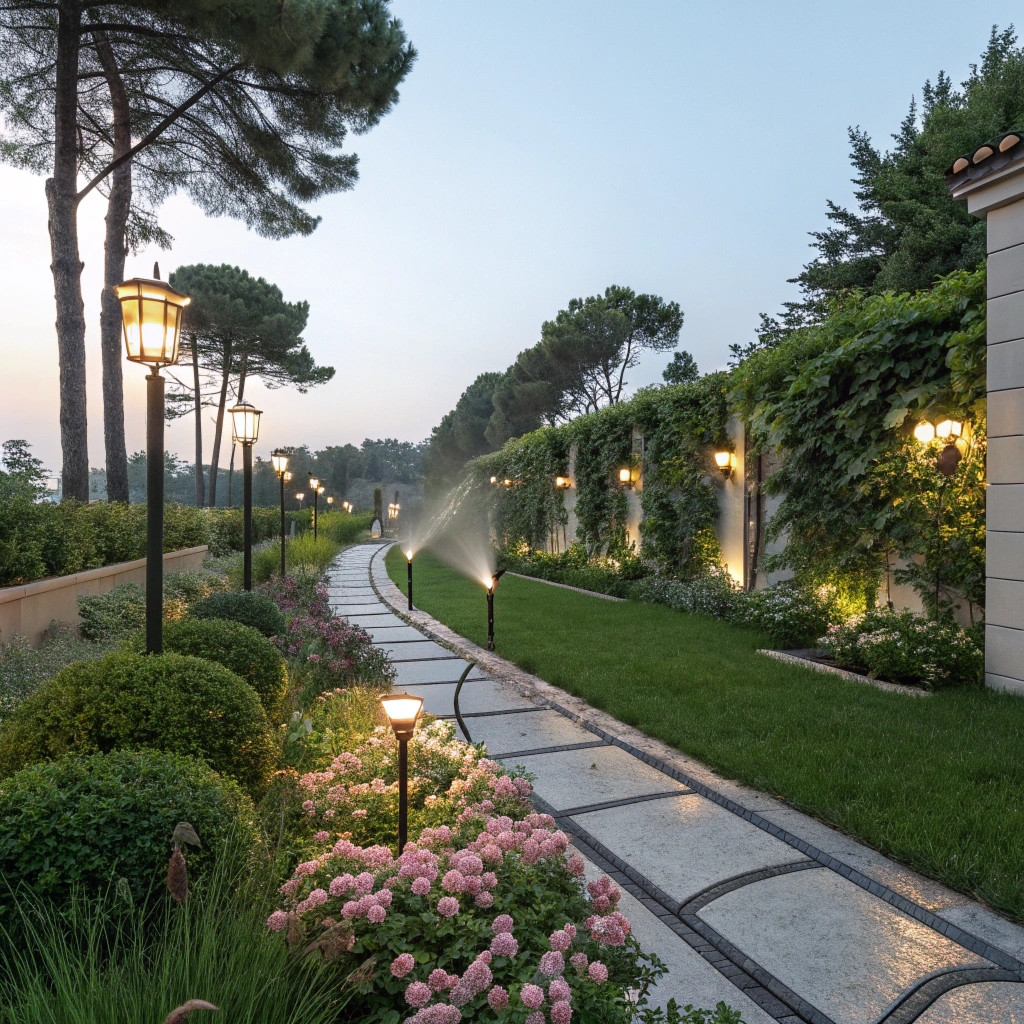
Garden lighting installation

Creating Atmosphere

Thoughtful lighting design transforms gardens after dark, creating spaces that can be enjoyed throughout the evening. The interplay of light and shadow reveals different aspects of the garden's character.

Maintenance and Care

Regular Inspection

Periodic checks ensure fixtures remain properly positioned and functioning. Connections are inspected, and any accumulated debris is cleared to maintain optimal performance.

Seasonal Adjustments

As plant growth changes the garden's structure, lighting may need repositioning or adjustment. Timers are updated to match changing daylight hours throughout the year.

Component Replacement

Over time, fixtures or components may require replacement. We provide guidance on sourcing compatible components and can assist with replacement when needed.